
A new type of scam is spreading on WhatsApp in India. Fraudsters pose as police officers, often claiming to be from the CBI or the local police, and use fake profile photos in uniform to look convincing. Their goal is simple: frighten you so badly that you send money before you stop to think.
I received one of these calls myself, so I want to explain exactly how it works, how to spot it and what to do if it happens to you or someone in your family.
How the scam works
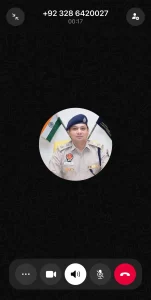
1. Initial contact. You get a WhatsApp call, usually a voice call, sometimes a video call, from an unknown number. The profile picture shows a police officer, a police badge or an official-looking logo.
2. False identification. The caller says they are from a respected agency such as the CBI, the Crime Branch or your local police station. They speak with authority and often use official-sounding words like “case number”, “FIR” or “warrant”.
3. Personal details to build trust. To seem genuine, they already know your name and your father’s name, and sometimes where you live. This information usually comes from data leaks, social media or other scams, but in the moment it feels like proof that they are real.
4. A shocking accusation. They claim your son or another family member has been arrested for a serious crime and faces a long jail sentence. In my case, they said it was a crime carrying 15 years in prison. Some versions claim a parcel in your name contained drugs, or that your bank account was used for money laundering.
5. Pressure and blackmail. Then comes the offer: pay a “settlement” or “bail” right now and the case will disappear. They insist you stay on the call, tell no one and transfer money immediately through UPI or a bank transfer.
Warning signs to look for
- Police don’t arrest people on WhatsApp. The Indian Cyber Crime Coordination Centre (I4C) has warned that the CBI, police, customs, ED and judges do not arrest anyone over a video call. So-called “digital arrest” is always a scam.
- Extreme urgency. Real legal processes take time. Anyone demanding payment within minutes is trying to stop you thinking clearly.
- Secrecy. “Don’t tell anyone” or “stay on the line” is a classic manipulation tactic to stop you checking with family.
- Payment to settle a case. No genuine officer will ask you to transfer money to close a criminal case.
- A foreign or unusual number. Many of these calls come from international numbers or numbers with unfamiliar prefixes.
What to do if you get this call
- Don’t panic. The whole scam depends on fear. Take a breath and remember that this is a known pattern.
- Hang up and verify independently. Call the family member who has supposedly been arrested, directly on their own number. In almost every case they are perfectly fine.
- Never share details or send money. Don’t give OTPs, bank details, Aadhaar or PAN numbers, and don’t install any app they ask you to.
- Report it. Call the national cybercrime helpline 1930 or file a complaint at cybercrime.gov.in. You can also report fraud calls and WhatsApp messages through the Chakshu facility on the government’s Sanchar Saathi portal.
- Block and report the number in WhatsApp so it can be flagged for others.
If you have already paid, call 1930 immediately. Reporting quickly gives the best chance of freezing the money before it moves.
My personal experience
I received this call following almost exactly the steps above: the police profile photo, my name and my father’s name, and a frightening story about a family member’s arrest.
Because I work in cybersecurity, I recognised the pattern straight away. So I turned the tables. I told the caller he had reached the Bangalore police station and that I was a police officer myself. He blocked me instantly. Honestly, it was the funniest part of my day!
But I know it isn’t funny for everyone. These calls are designed to target parents and older relatives, who may not have heard of this scam and who will do anything to protect their children.
Protect your family
- Talk to your parents and older relatives about this scam today. Five minutes of explanation can save them a lot of money and fear.
- Agree on a family check-in rule: if anyone calls claiming a family member is in trouble, hang up and call that person directly before doing anything else.
- Tighten WhatsApp privacy settings: set your profile photo and “last seen” to “My contacts”, and turn on “Silence unknown callers”.
- Limit what you share publicly, such as family names, phone numbers and where your children study or work. Scammers use these details to sound convincing.
Conclusion
Scammers keep inventing new stories, but the pattern stays the same: fear, urgency, secrecy and a demand for money. If you remember that real police do not arrest people over WhatsApp and do not settle cases for cash, you can shut these calls down in seconds.
Share this post with your family. It might be the thing that stops someone you love from falling for it.